SEC

SEC Charges Miami Trader with Insider Trading, Illegal Short Sales Ahead of PIPE Offering

The SEC has settled a case against a Miami stock trader who it accused of trading on inside information and illegal short sales ahead of PIPE and follow-on offerings. It is the latest enforcement action by the agency against investment firms engaged in short sales around public offerings that violate Rule 105 of Regulation M of the Exchange Act. In late September the agency charged 23 firms with Rule 105 violations. In the current case, the SEC accused Charles Raymond Langston III of selling short 29,000 shares of AutoChina International (AUTCF), a Chinese-based commercial-vehicle company that went public in a reverse merger in 2009, after learning of a planned $70 million registered direct offering being marketed by placement agents Rodman & Renshaw and Chardan Capital Markets. Langston made $193,000 in profits from the illegal trades, which occurred in 2010.

GLG Partners

GLG Pays $9M to Settle SEC Charges of Over-Valuing Assets

GLG Partners, the $28 billion London-based hedge fund unit of the Man Group, has agreed to pay $8.95 million to settle charges by the SEC that the fund manager inflated the value of a private company held in its emerging markets fund. The settlement is the latest fallout from the agency’s now four-year old Aberrational Performance Inquiry, begun in the depths of the financial crisis that seized up the hedge fund market beginning in late 2008. The inquiry has embroiled several hedge funds that were active in emerging growth company finance including NIR Group, Southridge Investment Group, and Yorkville Advisors. The SEC charged that GLG lacked the internal controls to ensure that evolving information about the companies it held in its private equity funds was properly transmitted to its valuation committee. The case involved an investment in a Chinese coal company held in the GLG Emerging Markets Special Assets 1 Fund, during the period of November 2008 to November 2010.

Corey Ribotsky

NIR Group’s Ribotsky Settles Fraud Charges with SEC

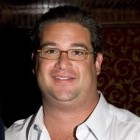
Beleaguered PIPE fund manager Corey Ribotsky has settled two-year old fraud charges leveled by the Securities and Exchange Commission, agreeing to pay more than $14 million in disgorged profits and penalties rather than continue to contest charges that as the general partner of NIR Group, he repeatedly lied to investors regarding the valuation of the fund’s microcap securities holdings, the fund’s returns, the liquidity of the fund, his education, and that he repeatedly misappropriated funds for his personal use. Under the terms of the November 18 agreement, Ribotsky did not admit, nor can he deny, the charges in the SEC’s complaint. During the more than five years since the SEC investigation was reported in the press, the Long Island, NY-based fund manager vociferously maintained his innocence and repeatedly attacked the journalists and their news organizations for reporting on the investigation, and the SEC’s investigators for pursuing it. In its hey-day NIR Group was one of the most prolific PIPE-dedicated hedge funds in the market, investing over $225 million in more than 140 microcap companies. The fund had a reputation for investing in some of the smallest, least liquid and most distressed companies in the PIPE market, with more than 80% of its investments placed in companies which market caps under $20 million.

crowdfunding

Crowdfunders Receive Blueprint

The Securities and Exchange Commission’s 585 pages of proposed rules for crowdfunding released last month amped up the chatter from online platforms, angel investors and third party service providers catering to entrepreneurs, startups and small growth companies. Crowdfunding supporters had waited more than 18 months for a hint of what the rules would entail after the JOBS Act legalized the funding-by-the-masses concept and directed the SEC to craft the regulatory oversight. The proposal, known as Regulation CF, is broadly focused on raise and investment limits related to the incomes of non-accredited investors. Reaction has been typical: The SEC did a good job crafting some rules, and poor job on others. Among the policies put forth, the commission revealed that it would allow companies to conduct separate offerings at the same time.