CCME

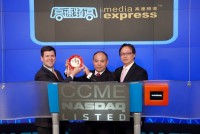
$19M Judgment Against China MediaExpress CEO

The SEC has won a $19M default judgment against the chairman and chief executive officer of China MediaExpress Holdings (CCME). The formerly Nasdaq-listed China-based company was itself recently found liable for $49M in disgorgement and penalties relating to a “scheme to mislead and defraud investors by, among other things, grossly overstating China Media’s cash balances.”

At the time, the company claimed to have over $170 million in cash deposits, when the actual cash held by the company was just $10 million. The misleading financial information led to a tripling of the company’s stock price, allowing it to raise more than $53 million from investors – most notably a fund led by AIG’s former chairman Hank Greenberg – via equity private placements. The CEO, Zheng Cheng, was also found guilty of knowingly signing off on the financial representations in SEC filings, and of offering $1.5 million to bribe an investigator sent by its external auditor to verify the company’s bank records.
SEC Places U.S. Investment in China EGCs at Crossroads

The recent ruling banning Chinese affiliates of the Big Four accounting firms from auditing companies listed on U.S. exchanges exposed a faulty agreement between the two countries and returned a longstanding conundrum to the forefront: Can officials concoct an oversight regime of Chinese issuers that satisfies both countries and reassures U.S. regulators and investors? The answer at this point: as much chance as the Jamaican Olympic bobsled team winning gold in Sochi. On January 23, Securities and Exchange Commission Administrative Law Judge Cameron Elliot ordered a six-month suspension of the Chinese units of KPMG, Deloitte & Touche, PricewaterhouseCoopers and Ernst & Young after the accountants failed to provide audit work papers of some Chinese issuers to U.S. regulators, who have been investigating the companies for fraud. The accounting firms claimed that to do so would have violated secrecy laws in China and wanted officials with the two countries to resolve the problem. The ruling fouled investor sentiment on Chinese companies over delisting fears.

Joe Meuse

China Reverse Merger Banker Meuse Banned by the SEC

A leading banker in China reverse merger deals was banned from the penny stock business for five years by the Securities and Exchange Commission. On January 8, the U.S. District Court for the Southern District of New York ordered Belmont Partners CEO Joseph Meuse to pay fines and penalties of $224,500. The SEC barred Virginia-based Belmont and Meuse from committing fraud in relation to a securities offering again but Meuse did not admit or deny guilt.
Joe Meuse
In December 2011 the government regulator alleged that the company and Joseph Meuse used fabricated and backdated documents to convince a transfer agent and an attorney writing an opinion letter to issue free-trading shares of Alternative Green Technologies (AGTI). The SEC also charged AGTI, its CEO Mitchell Segal, a business partner named Howard Borg and stock promoters for their roles in the scheme that resulted in unknowing investors purchasing fraudulently issued AGTI shares. “Shell packagers who buy and sell public companies for use by fraudsters have no rightful place in our markets,” said David Rosenfeld, Associate Director of the SEC’s New York Regional Office in 2011 after the SEC fraud suit was filed.

SEC

SEC Charges Miami Trader with Insider Trading, Illegal Short Sales Ahead of PIPE Offering

The SEC has settled a case against a Miami stock trader who it accused of trading on inside information and illegal short sales ahead of PIPE and follow-on offerings. It is the latest enforcement action by the agency against investment firms engaged in short sales around public offerings that violate Rule 105 of Regulation M of the Exchange Act. In late September the agency charged 23 firms with Rule 105 violations. In the current case, the SEC accused Charles Raymond Langston III of selling short 29,000 shares of AutoChina International (AUTCF), a Chinese-based commercial-vehicle company that went public in a reverse merger in 2009, after learning of a planned $70 million registered direct offering being marketed by placement agents Rodman & Renshaw and Chardan Capital Markets. Langston made $193,000 in profits from the illegal trades, which occurred in 2010.