
SEC’s Hunt for Abnormal Returns Plows Ahead

The Security and Exchange Commission’s case against PIPE fund Yorkville Advisors serves as a reminder to hedge funds that the commission is preemptively pursuing suspicious behavior without having to rely on complaints or tips from disgruntled investors, employees or competitors. In charging the $1 billion Jersey City-based advisor and two of its executives with scheming to overvalue assets under management, the regulator relied on its “aberrational performance inquiry” initiative, which analyzes the integrity of a fund’s reported returns in light of its strategy, benchmarks, valuation methodologies and other metrics. Inconsistencies between the returns and metrics triggers further investigation. The initiative began as early as 2009 and stemmed largely from the commission’s failure to spot the fraud perpetrated by Bernie Madoff, who that same year admitted to a long-running Ponzi scheme. It cost investors some $18 billion.

More Sanctions in GlobeTel Fraud Case

Executives of defunct PIPE issuer GlobeTel Communications Corp. engaged in extensive accounting fraud, according to a court order requiring Timothy Huff, Lawrence Lynch, Joseph Monterosso and Luis Vargas to pay a total of $3 million in disgorgement and penalties. The company raised over $25 million in seven PIPEs issued from 2004 through 2006, according to PlacementTracker data. Investors included funds managed by Nite Capital, Hudson Bay Capital, and Crescent Special Situations. The sanctions came after the Securities and Exchange Commission accused the company's subsidiaries of reporting phony revenues from sales of telecom "minutes" that never actually took place.

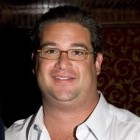
Corey Ribotsky

Ribotsky Fires Back in SEC Suit

NIR Group founder Corey Ribotsky filed court documents contesting the Securities and Exchange Commission's claims that Ribotsky mislead PIPE fund investors and diverted over $1 million in clients' assets. Funds managed by NIR, which include four AJW entities and New Millennium Capital Partners II, committed $225 million to
144 PIPEs from 1999 through 2010, according to PlacementTracker data. In August, the commission filed an amended complaint (reported here) containing previously made allegations that Ribotsky engaged in fraudulent accounting, lied to investors and stole over $1 million from one of his funds. New allegations included further details about the regulator’s claims that Ribotsky derived management fees from phantom gains and engaged in improper accounting. Ribotsky's answer to the revised complaint denied over 100 allegations, mostly without comment, and responded to others by stating that allegations required a legal conclusion or were addressed in documents already in the hands of regulators.

Court Denies Motion to Dismiss SEC’s Gold Standard Mining Case

A federal judge rejected attorney Kenneth Eade's motion to dismiss a Securities and Exchange Commission suit alleging that Eade filed false financial statements and misrepresented the company’s assets. The SEC filed the suit on June 29 in the U.S. District Court in Los Angeles. Gold Standard CEO Panteleimon Zachos and Eade allegedly lied, made misleading statements and omitted material facts about the company from May of 2009 through April of 2011. These actions were part of plans to create investor interest in the company, which Eade bought in 2007 when it was a shell known as Fluid Solutions, the suit claims.

In his motion to dismiss the case, Eade noted that only two of the SEC's seven allegations were directed at him, as opposed to those aimed at the company, its management and an accountant. Eade argued that the commission had failed to state a claim on which the court could act with respect to the other two charges.